

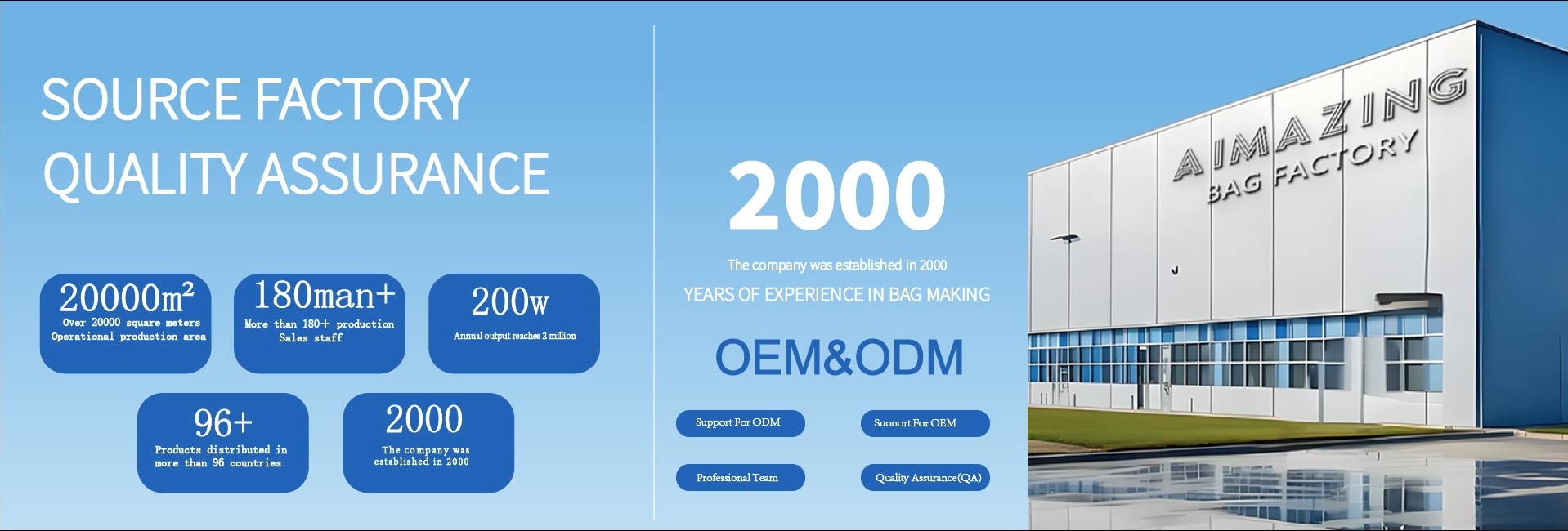
Guangzhou, Guangdong Dec 29, 2025 (Issuewire.com) - The global demand for high-performance thermal packaging has seen a significant shift as consumer lifestyles evolve toward outdoor recreation, fresh food delivery, and sustainable living. As international brands seek to balance durability with cost-efficiency, the role of a specialized China Insulated Cooler Bags Factory has moved from a simple manufacturing node to a strategic partner in the global supply chain. This transition is fueled by the integration of advanced material science and streamlined production processes that cater to the rigorous standards of North American and European markets.
The Rising Trajectory of Thermal Logistics and Consumer Bags
The cold chain industry is no longer confined to industrial shipping; it has localized into the hands of everyday consumers. Whether it is for a weekend camping trip, a daily commute with a meal-prep kit, or a specialized pharmaceutical delivery, the efficiency of an insulated bag is non-negotiable. Current market trends indicate a move away from "disposable" quality toward "investment" quality. Brands are increasingly looking for partners who can offer more than just a template, requiring customized insulation layers, waterproof zippers, and eco-friendly fabrics that align with global sustainability goals.
The shift toward specialized OEM (Original Equipment Manufacturer) services allows brands to maintain a unique identity while leveraging the technical prowess of established production hubs. In regions like Guangzhou, the convergence of raw material access and logistical infrastructure has made it the epicenter for high-output, high-quality bag manufacturing.
Two Decades of Manufacturing Integrity: The Aimazing Legacy
Rooted in the industrial heart of Guangzhou since 2000, Aimazing has witnessed the evolution of the bag-making industry firsthand. What began as a focused production unit has expanded into a 20,000-square-meter facility, housing over 180 skilled workers. This scale is not merely about volumethough an annual output of 2 million bags is substantialbut about the precision that such a dedicated workforce can provide to complex OEM projects.
For a brand looking to outsource, the physical infrastructure of a factory serves as the first filter for quality. Large-scale facilities allow for the segregation of production stages, ensuring that cutting, sewing, heat-sealing, and quality inspection occur in controlled environments. This structured approach is what differentiates a standard supplier from a partner capable of handling intricate custom specifications for global distribution.
Navigating the Complexities of International Compliance
In the modern regulatory landscape, a factorys "quality" is defined as much by its paperwork as by its stitching. Brands operating in the US and EU face stringent requirements regarding chemical safety and ethical labor practices. One of the primary reasons global entities gravitate toward specialized Chinese manufacturers is the consolidation of international certifications.
Adherence to standards such as Sedex, BSCI, and ISO provides a transparent window into the factory's operational ethics and social responsibility. Furthermore, product-specific certifications like CE, CA65 (California Proposition 65), TUV, SGS, CPC, and GRS (Global Recycled Standard) ensure that the materials used are free from harmful substances and meet environmental claims. When a brand chooses a partner with these credentials, they are essentially de-risking their supply chain, ensuring that their products will not face legal or ethical hurdles upon reaching international ports.
The Art of Customization: From Concept to Shelf
The hallmark of a sophisticated OEM service is the ability to transform a brands vision into a tangible product without losing the essence of the design. This involves a three-tier approach to tailoring:
Creative Logo and Aesthetic Integration: Moving beyond simple screen printing, modern factories offer embroidery, embossed patches, and high-frequency welding to ensure brand logos withstand the wear and tear of outdoor use.
Precise Product Tailoring: Every brand has a different use case. A cooler bag designed for a professional golfer requires different dimensions and pocket placements than one designed for a grocery delivery service. Technical tailoring allows for the adjustment of PEVA, PVC, or TPU linings based on the required thermal retention duration.
Unique Packaging Solutions: The unboxing experience is a vital touchpoint for consumer brands. Custom packaging that is both protective and brand-consistent adds a final layer of professionalism to the OEM process.
This level of customization is supported by a dedicated design team that acts as an intermediary between a rough sketch and the final production line, ensuring that the structural integrity of the bag is never compromised for the sake of aesthetics.
Material Science in Thermal Retention
At the core of an insulated bag is its ability to maintain a temperature gradient. A professional China Insulated Cooler Bags Factory utilizes a multi-layered approach to insulation. Typically, this involves an outer shell of durable Oxford fabric or Ripstop nylon, a middle layer of EPE (Expanded Polyethylene) foam of varying thicknesses, and an inner lining of food-grade, leak-proof material.
The thickness of the foam is often the deciding factor in performance. While standard promotional bags might use 3mm foam, premium OEM projects often specify 5mm to 10mm foam to ensure ice remains frozen for extended periods. The sealing methodwhether traditional stitching with waterproof tape or advanced heat-pressingalso plays a critical role in preventing leaks and maintaining the internal "micro-climate" of the bag.
Versatile Applications Across Industries
The versatility of insulated bags allows them to permeate various market segments. Understanding these applications helps brands determine the specific features they need to prioritize during the OEM process:
Outdoor and Leisure: For the camping and hiking market, durability and UV resistance are paramount. These bags often feature rugged hardware and ergonomic straps.
Food Delivery and Catering: Here, size and ease of cleaning are the priorities. Large-capacity bags with antimicrobial linings are essential for maintaining hygiene standards.
Corporate Gifting and Promotions: These projects often emphasize brand visibility and cost-effectiveness, requiring a factory that can balance quality with high-volume production.
Healthcare and Specialized Logistics: Insulated bags are frequently used for the transport of temperature-sensitive biological samples or medications, requiring precise thermal performance data.
By serving these diverse sectors, a manufacturer gains a broad perspective on "best practices" that can be cross-applied to improve the products of all their clients.
Scalability and the Power of Annual Output
For growing brands, scalability is a common pain point. A factory that can handle a 500-unit boutique order but fails at a 50,000-unit seasonal surge is a liability. The ability to churn out 2 million bags annually indicates a refined logistics and management system. It means the facility has the "muscle" to secure raw materials at better rates and the "memory" to maintain consistency even during peak production cycles.
This high-volume capability is underpinned by a workforce of over 180 skilled individuals. In an era of increasing automation, the human element remains vital in bag manufacturing, particularly for the intricate sewing and quality control phases that machines cannot yet fully replicate. The synergy between mechanized cutting and handcrafted assembly results in a product that feels premium and performs reliably.
Bridging the Gap: Why Location and Experience Matter
Choosing a partner in Guangzhou offers logistical advantages that are hard to replicateelsewhere. Proximity to major ports and a dense network of fabric suppliers means that the lead time from "prototype approved" to "shipped" is significantly reduced. Furthermore, a factory with over two decades of experience, like Aimazing, has navigated the cycles of the global economy, from the rise of e-commerce to the disruptions of global shipping, emerging with a resilient business model that brands can rely on for long-term stability.
The evolution of the cooler bag from a simple utility item to a high-tech accessory reflects the broader trends of the consumer market. Brands that recognize this shift are moving toward manufacturers who can offer a blend of heritage, technical capability, and verified compliance.
The Future of OEM Bag Manufacturing
Looking ahead, the industry is poised to embrace even more sustainable practices. The integration of GRS-certified recycled materials and biodegradable components is becoming a standard request from environmentally conscious brands. A forward-thinking factory is one that not only meets today's quality standards but is already testing the materials of tomorrow.
By prioritizing transparency, customization, and rigorous quality control, specialized manufacturers continue to prove why they are the backbone of the global bag industry. For brands looking to make their mark, the path to a successful product launch often begins with a partnership founded on these principles of manufacturing integrity.
To explore how these manufacturing capabilities can be applied to your next project, visit the official site of the industry experts at https://www.aimazingbag.com/.
Source :AIMAZING(Guangzhou) Co., Ltd.
This article was originally published by IssueWire. Read the original article here.
1 month ago